
How to Run a Workshop in a Small Town When You Have Never Run One
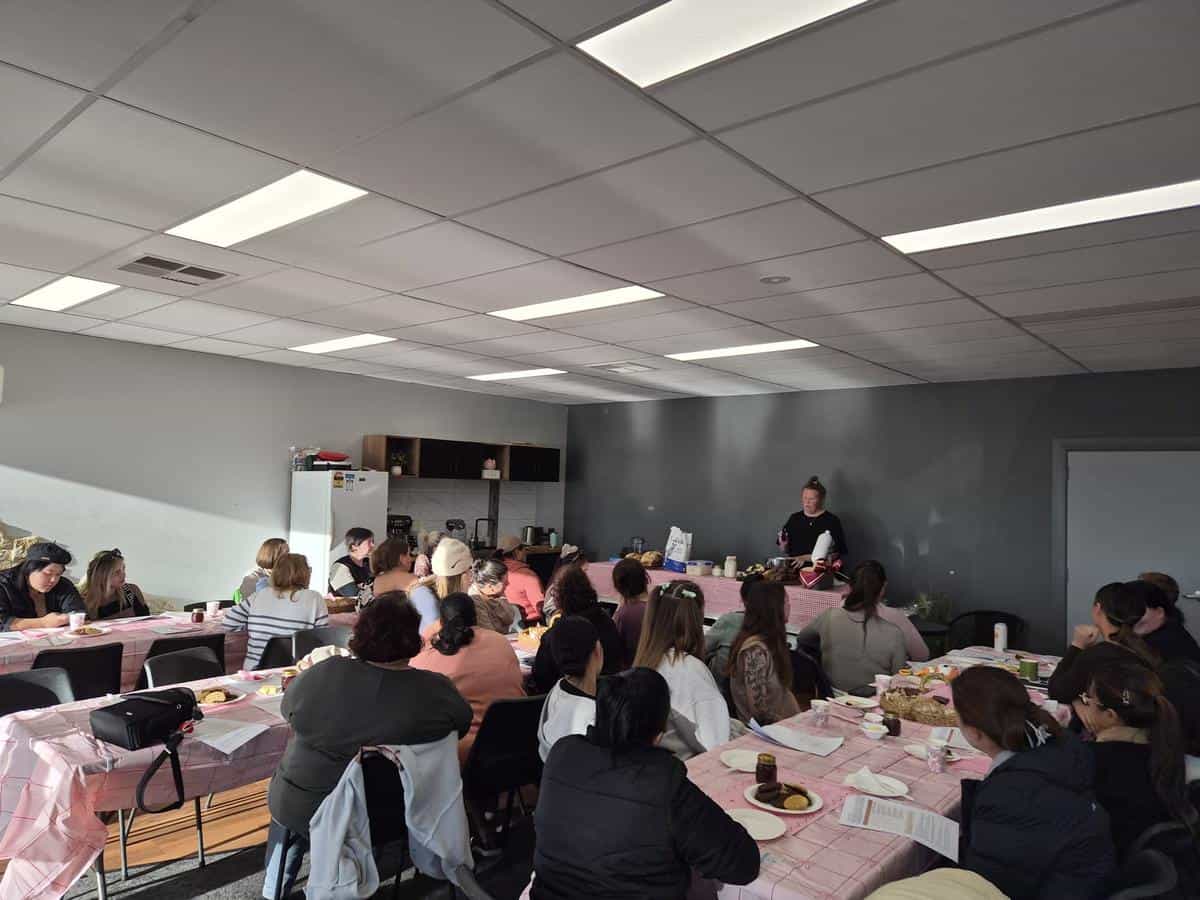
I put one post on a community noticeboard, two weeks out. Forty women came.
I was not prepared for forty. I had pictured maybe twelve. But that is the thing about small towns that nobody tells you: there is far more appetite for this than you would ever guess, and almost nobody is putting anything on.
If you have been thinking about running a workshop and talking yourself out of it, this is what it actually takes. It is less than you think.
Start with the thing you already know
You do not need a qualification. You do not need to be the best in the country at it. You need to be about two steps ahead of the person you are teaching, and able to explain what you do without making it sound complicated.
The test is simple. Has anyone ever asked you how you do something? Sourdough, jam, soap, crochet, budgeting, cake decorating, gardening in bad soil. If people ask, there is a workshop in it.
That is genuinely the whole qualification.
My first one was not the good one
Before the sourdough workshop, I ran one on pickles and jams. Eight people.
It went fine. Everyone was pleasant, nobody died, I learned an enormous amount. But I would not run that one again, and the reason is that I tried to teach too much.
Pickles and jams are two different skills. Different equipment, different method, different things that go wrong. I crammed both into one session and I think it was more complicated than it needed to be for the people in the room. If I ran it again I would do jam only, or pickles only, and go slower.
That is the most common first-workshop mistake, and it comes from a good instinct. You want to give people value, so you give them everything you know. But a room full of beginners does not want everything you know. They want one thing, done properly, that they can go home and actually do.
Your first one is a practice run, and it should be. Eight people in a room is exactly the right size to get things wrong in front of. You don’t have to make your first workshop the big one.
Want more practical Goldfields notes like this?
Join Notes From the Kitchen Table, my monthly email from Kalgoorlie-Boulder. 👉Join here
Finding people is easier than you think
Here is what I actually did for the sourdough one. One post. Two weeks out. On a community noticeboard, in a women-only group for my town.
That is it. No advertising, no budget, no lead-up campaign, no fancy graphics.
Small towns work differently to cities. There is no algorithm standing between you and the people who might come. There is a noticeboard, a Facebook group, the school gate, and word of mouth, and all four move fast because everyone already knows everyone.
The flip side is that you cannot rely on volume. In a city you post to ten thousand people and hope one percent bite. Out here you post to a few hundred people who actually read it, and a surprising number of them turn up. Which is why I ended up with forty.
Assume more will come than you expect
This is the practical warning. If you post in a small town and the thing sounds good, you may well get more than you planned for.
Think about your ceiling before you post, not after. How many people fit in the room. How many you can talk over without a microphone. How much you can physically prepare. Then say the number in the post, because “eight spots” is much easier to manage than turning people away after they have already committed.
Capping it also does something useful. It makes the thing feel worth grabbing, and it means the next one has an audience already waiting.
What you actually need
Less than the picture in your head.
A space. A hall, a shed, a friend’s kitchen, your own lounge room. It does not have to be a commercial kitchen and for most skills it does not have to have a kitchen at all.
A way to be seen and heard by everyone at once. If the group is bigger than about ten, think about whether they can all see your hands.
A plan for the two hours. Not a script, but an order. What you show first, what second, where they will get confused.
Something for them to take home. Notes, a recipe, a sample, a starter. It matters more than you think, because it is what they show people afterwards.
Why bother
The honest reason, for me, is what happens afterwards.
Women message me photos of their bread. Weeks later, months later. Loaves they made in their own kitchens, that they would not have attempted before, because they spent two hours watching someone who lives in the same conditions do it in front of them.
That is the whole thing. Not the money, although the money is real. It is that a skill you had sitting in your hands is now in twenty other kitchens.
Where to start
Pick the thing people already ask you about. Keep the first one small, eight or ten people, somewhere you feel comfortable. Put one post up two weeks out and see what happens.
You will get things wrong. That is what the small one is for.
What to do next
If you want to see what one actually looks like from the inside, this is the sourdough workshop I mentioned above, the one where forty women turned up. What I planned, what I got wrong, and what I would do differently.
Read: How I ran a sourdough workshop for 40 women
Keep going
If you want more practical Goldfields notes like this, you might like my monthly email, Notes From the Kitchen Table.
It’s a letter from my kitchen table in Kalgoorlie-Boulder, with regional life, home, and what I am making and learning along the way. Subscribe here: youbeautco.kit.com/signup. You can reply to any email and it comes straight back to me.
You can find me on Instagram at @youbeaut.co. I share glimpses of daily life, behind the scenes of making products, and small notes that do not always make it into the newsletter. Nothing polished, just real life in a dry, dusty town.
I also run a Facebook Group for women who want to talk about regional living, swap ideas, and share what is working in their homes. It is a friendly space to ask questions, share wins, and not feel like the only one living a long way from everything.
I hope You Beaut Co helps you feel more at home where you already are.
Related Posts on Turn What You Know Into Income: